Financial Strain and Governance Gaps Raise Concerns Over TTAADC’s Sustainability
By Our Correspondent
Agartala, April 3, 2026
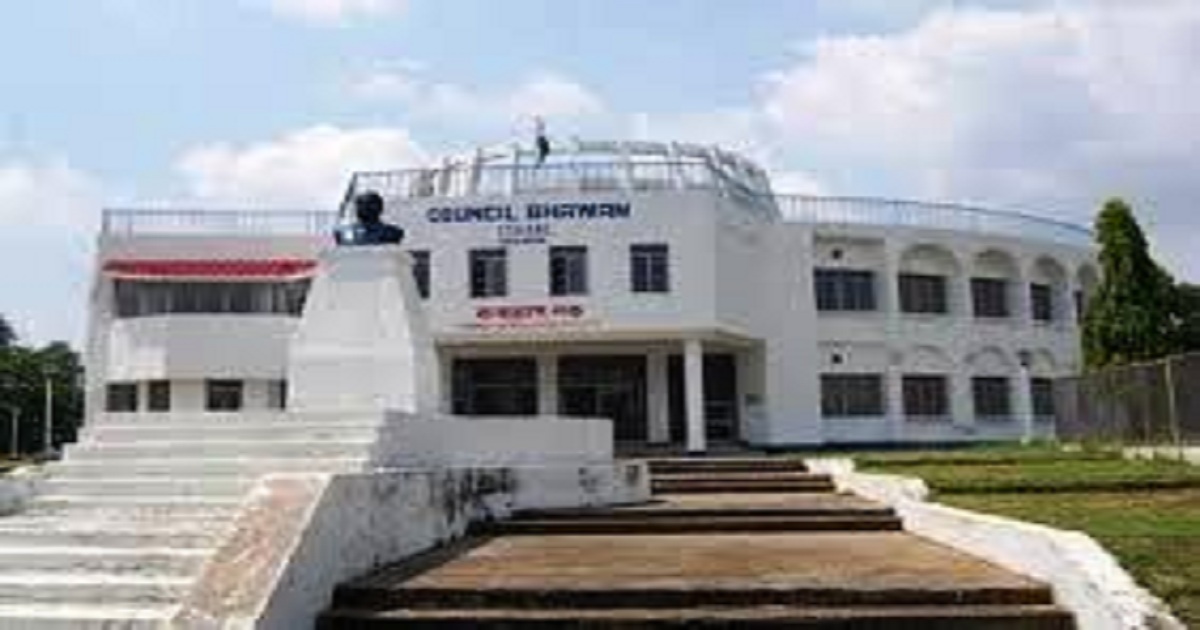 Serious concerns have emerged regarding the financial sustainability and governance structure of the Tripura Tribal Areas Autonomous District Council (TTAADC), following a recent study conducted under the Sixteenth Finance Commission on the “Evaluation of the Finances of the State of Tripura.” The findings point to deep-rooted financial vulnerabilities that could hinder the Council’s ability to deliver long-term development outcomes in tribal regions.
The study highlights that although a substantial allocation of Rs. 5745 crore has been recommended for tribal development, structural inefficiencies and weak financial practices may dilute its effectiveness. A key issue identified is the Council’s heavy reliance on external funding, particularly grants from the Central Finance Commission. With such transfers showing a declining trend in recent years, TTAADC is increasingly exposed to fiscal stress, raising doubts about its capacity to sustain ongoing and future development initiatives.
Equally concerning is the limited progress in generating internal revenue. The report notes that existing taxation mechanisms at the village council level remain underutilized, largely due to weak administrative capacity and lack of institutional efficiency. This has significantly constrained the Council’s financial autonomy, making it dependent on uncertain external support. Without strengthening revenue collection systems and improving financial management, the Council risks facing persistent budgetary instability.
Another major challenge lies in the inadequate focus on capital expenditure. While funds are allocated periodically, the lack of prioritization for infrastructure and long-term development projects has slowed visible progress in key sectors such as connectivity, healthcare, and education. This imbalance between allocation and effective utilization continues to affect the quality of life in tribal areas.
The study emphasizes that improving financial sustainability will require a shift towards diversified revenue streams, stronger taxation frameworks, and better fiscal discipline. It also suggests exploring innovative financing approaches, including Public-Private Partnerships (PPPs) and targeted use of government subsidies, to support long-term planning and investment.
Importantly, the report underscores that increasing financial allocation alone will not resolve the challenges. Greater emphasis must be placed on policy execution, institutional strengthening, and accountability mechanisms to ensure efficient use of resources.
Overall, the findings serve as a critical reminder that without timely financial and governance reforms, the developmental aspirations of TTAADC may remain constrained, limiting inclusive growth in Tripura’s tribal regions.
more news...