Menstrual Health Is Now a Fundamental Right, Historic Supreme Court Verdict Makes Free Sanitary Pads and Separate Toilets in Schools Mandatory
By Our Correspondent
Agartala, February 1, 2026
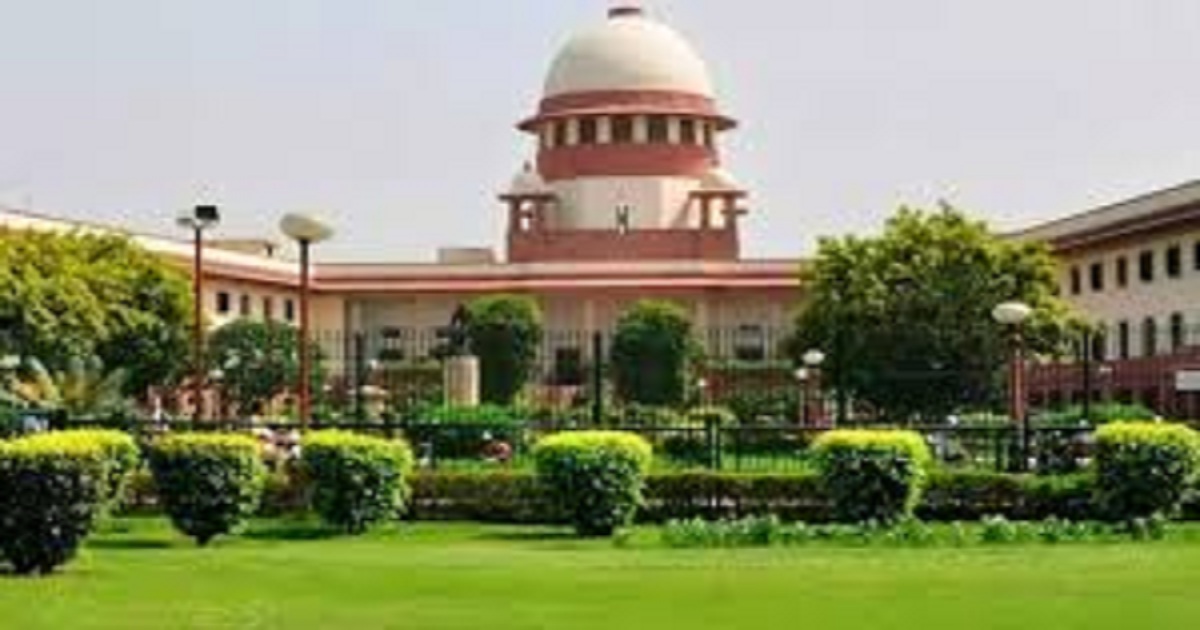 Breaking decades of silence around women’s bodies, health, and dignity, the Supreme Court has delivered a landmark judgment declaring menstrual health a constitutionally protected fundamental right. The court made it unequivocally clear that menstrual health is not a matter of charity or welfare but an inseparable part of the right to life and dignity, and therefore a binding obligation of the State.
In its ruling, the bench observed that failure to ensure menstrual hygiene and health directly violates Article 21 of the Constitution. Menstrual health, the court said, is deeply linked with education, health, privacy, equality, and human dignity, leaving no room for administrative neglect or social indifference.
Binding Directions for Schools
One of the most significant aspects of the judgment concerns strict directions to schools across the country. All government and private schools have been mandated to implement specific measures within a stipulated timeframe.
Free sanitary pads must be provided to girl students, particularly those studying from Classes VI to XII. The court underlined that access to basic menstrual products cannot depend on a student’s economic background.
Every school must also have separate, functional, and hygienic toilets for girls, equipped with adequate water supply, soap, and safe systems for the disposal of used sanitary pads. Special attention has been directed towards ensuring accessibility for students with disabilities.
The apex court warned that non-compliance could lead to cancellation of school recognition. State governments, the judgment clarified, will also be held accountable and cannot evade responsibility.
Challenging the Culture of Shame
Beyond infrastructure and facilities, the court delivered a strong message against the culture of shame surrounding menstruation. The judges stated that menstruation is a natural biological process and not a matter of embarrassment. Deep-rooted taboos and myths, the court said, must be dismantled through education starting at the school level.
Importantly, the ruling emphasized that menstrual health education should not be limited to girls alone. Boys must also be sensitized to promote understanding, respect, and gender equality. Teachers, parents, and education authorities have been urged to work collectively to change societal attitudes.
Why the Verdict Matters
This judgment goes far beyond policy reform and marks a decisive social intervention. In rural and semi-urban India, countless girls still miss school during menstruation due to lack of sanitary products, inadequate toilets, and fear of stigma. Experts believe that effective implementation of the court’s directions will significantly reduce dropout rates among adolescent girls.
Medical professionals point out that poor menstrual hygiene leads to infections, long-term health complications, and psychological stress. Recognizing menstrual health as a State responsibility is expected to bring substantial improvement in women’s overall physical and mental well-being.
From Welfare to Right
Until now, menstrual health was largely addressed through government schemes and welfare programs. With this verdict, the Supreme Court has fundamentally altered that approach. Menstrual health is no longer a discretionary benefit; it is a constitutional right.
Women’s rights organizations have welcomed the judgment, calling it a potential game-changer for future health and education policies. While implementation remains the biggest challenge, the court’s firm stance signals that this issue will no longer be allowed to remain buried in files and formalities.
By acknowledging a natural biological process with dignity and constitutional protection, the country’s highest court has set a powerful precedent. The silent suffering of millions of women has now been formally recognized as a responsibility of the State, marking a historic milestone in India’s journey toward equality and justice.
more news...