State Agencies at the Centre of Tripura’s Growing Pollution Crisis
By Our Correspondent
Agartala, January 31, 2026
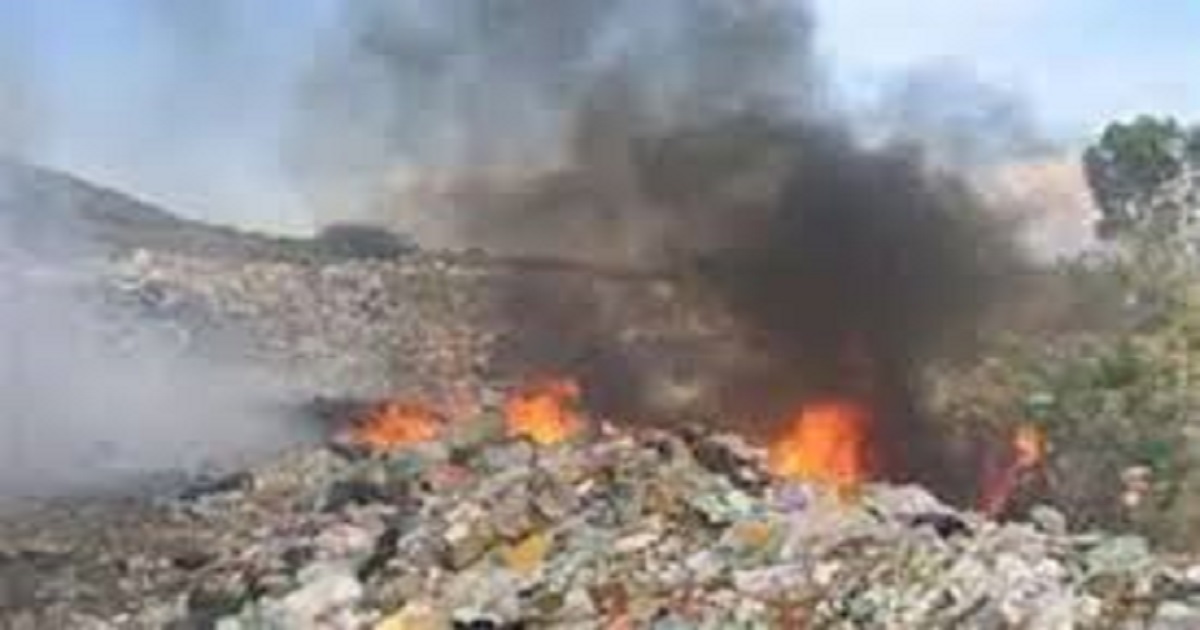 Tripura’s alarming air pollution levels, recently flagged by a study of the Centre for Research on Energy and Clean Air (CREA), are increasingly being linked to unchecked and poorly regulated development activities carried out by state government agencies and their contractors, particularly in urban areas.
While official narratives often focus on public behaviour as the primary cause of environmental degradation, ground realities across Tripura’s cities tell a different story. The major contributors to pollution, especially in Agartala, are state-run and state-supported development projects that routinely violate basic pollution control norms with apparent impunity.
In the state capital, agencies such as Agartala Smart City Project Limited and the Agartala Municipal Corporation (AMC) have emerged as the principal pollution contributors. Large-scale construction activities continue round the year without dust suppression measures, proper waste disposal mechanisms, or monitoring of particulate emissions. Open construction materials, uncovered debris, and prolonged dumping of excavated earth have turned several city stretches into permanent dust zones.
Urban local bodies across the state, including Nagar Panchayats and Municipalities, are equally culpable. These bodies have failed to enforce even minimum regulations for garbage collection and waste management. In many towns, solid waste is dumped indiscriminately along roadsides, vacant plots, and drainage channels. Drain-cleaning waste is often left piled up on city roads for months, releasing foul odour and particulate matter into the air, further deteriorating public health conditions.
Contractor agencies engaged in National Highway, State Highway, and city development works have also shown blatant disregard for pollution control protocols. Road construction and repair work is frequently carried out by openly burning bitumen, releasing toxic fumes directly into residential areas. Such practices continue unabated despite clear environmental guidelines prohibiting them.
What has drawn sharp criticism is that these violations occur openly, in full view of responsible officers, engineers, and elected representatives. Despite the visibility of these irregularities, enforcement remains virtually non-existent. No meaningful penalties are imposed on defaulting contractors or government agencies, raising serious questions about administrative accountability.
Ironically, government regulations appear to be enforced strictly only when ordinary citizens commit minor lapses. For small, often unintentional mistakes by the public, punitive measures are swiftly applied. In contrast, large-scale, systematic violations by government departments and their contractors continue unchecked.
Environmental experts warn that unless accountability is fixed within government agencies themselves, Tripura’s pollution crisis will worsen further. Sustainable development, they stress, cannot be achieved through unregulated construction, negligent waste handling, and selective enforcement of laws.
As Tripura finds itself listed among India’s pollution hotspots, the situation demands not token awareness campaigns but strict enforcement of pollution control norms, starting with the state’s own agencies, urban local bodies, and government-backed contractors. Without this course correction, development will continue to come at the cost of public health and environmental stability.
The state pollution experts said, the industrial pollution crisis is very very negligible in Tripura.
more news...