Concerns Raised Over Declining Work Culture at Tripura University
By Our Correspondent
Agartala, January 20, 2026
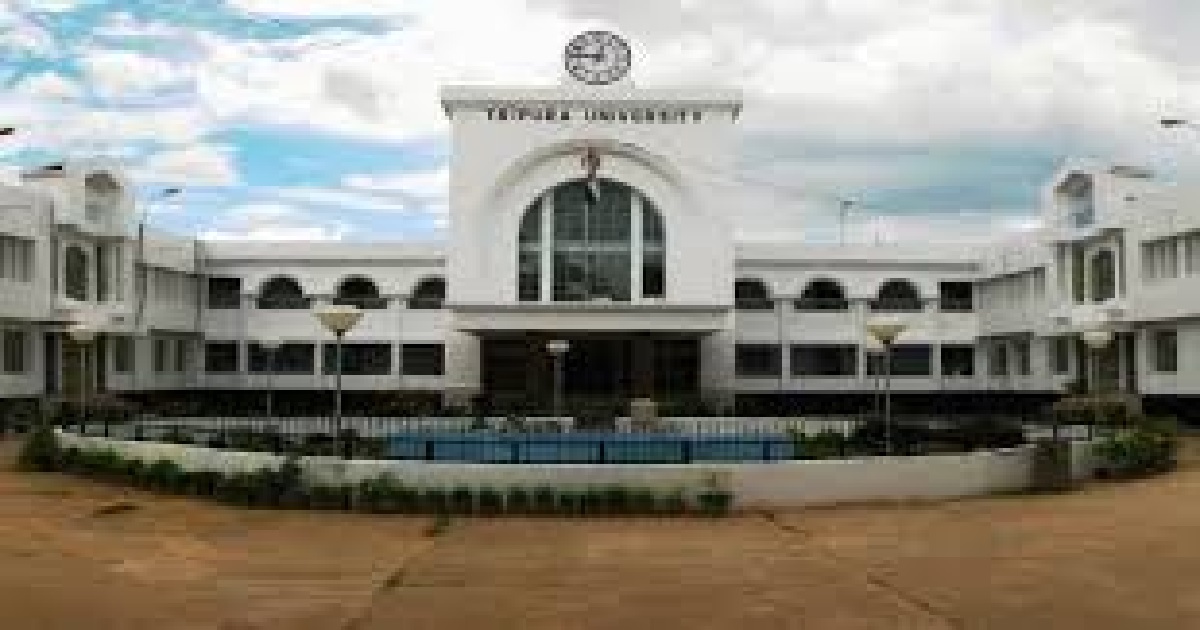 Serious concerns have been raised regarding the declining work culture at Tripura University, the only Central University in Tripura, with allegations pointing to administrative lapses, politically influenced recruitment, and failure to implement key national education reforms. Academics, education observers, and sections of civil society have warned that the situation, if left unaddressed, could adversely affect the future of higher education in the state.
According to informed sources, a major factor behind the current challenges is the transition of Tripura University from a state university to a Central University. During this phase, a large number of faculty members reportedly received promotions in line with central government declarations, but without corresponding improvements in accountability and academic performance. It is alleged that several teaching positions were filled based on recommendations rather than merit, primarily because many qualified professionals were initially reluctant to join the institution due to its location and infrastructure limitations.
Over time, improved connectivity and changing circumstances encouraged more qualified faculty members to join the university across various departments. These newer recruits are said to be making sincere efforts to strengthen academic standards and research output. However, concerns persist about a section of faculty members—both local and from outside the state—who are accused of lacking academic maturity and professional commitment.
Sources also point to increasing political pressure from the central level in faculty recruitment processes, raising questions about institutional autonomy. Education experts stress that a Central University must function strictly in accordance with its statutory provisions and the University Constitution passed by the Indian Parliament, free from undue political or external influence.
Adding to the concerns is the alleged presence of “academic mafias” who are believed to be influencing administrative decisions and monitoring key academic and recruitment-related matters for personal or political gain. Such practices, critics argue, undermine transparency and erode trust within the academic community.
The implementation of the National Education Policy (NEP) 2020 at Tripura University has also come under scrutiny. Observers claim that the university has largely failed to implement the reforms envisioned under NEP-2020, particularly in curriculum restructuring, multidisciplinary education, and academic governance. They have urged the Higher Education Department to intervene and closely monitor the implementation process.
Educationists and citizens have called upon the people of Tripura to collectively come forward to safeguard the institution. They emphasize that protecting the academic integrity of Tripura University is essential for ensuring quality higher education and securing opportunities for future generations in the state.
more news...