TSR Appointment Letters Sent by Post Following Supreme Court Order
By Our Correspondent
Agartala, January 8, 2026
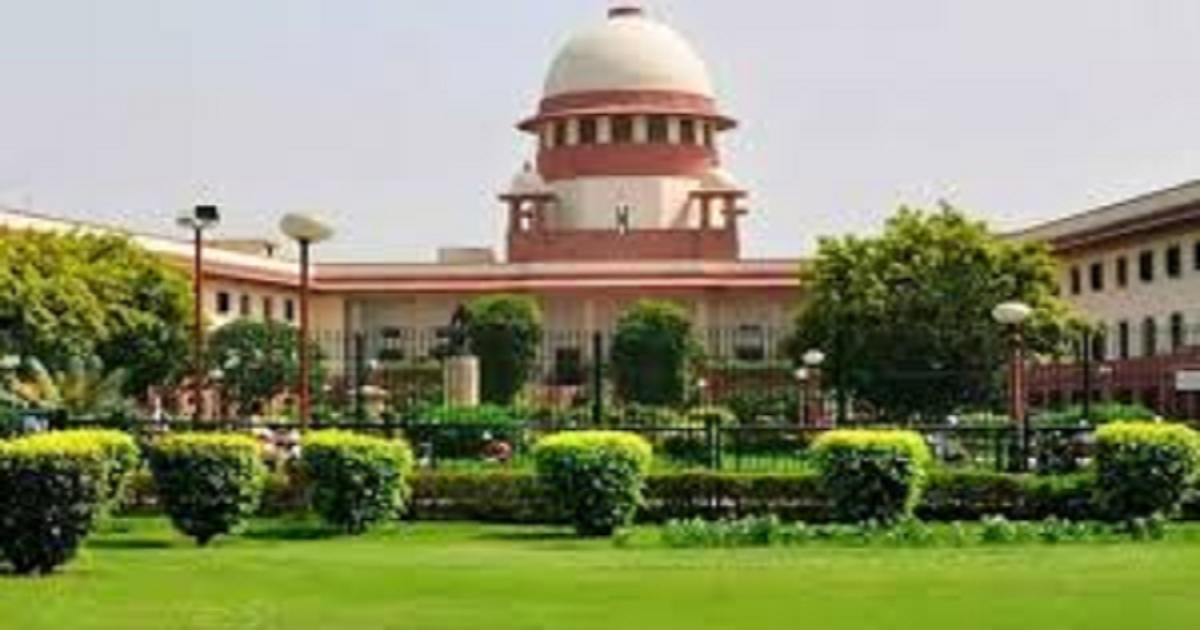 More than thousands Appointment letters for Tripura State Rifles (TSR) posts are being dispatched since yesterday morning to selected candidates through postal services instead of ceremonial public distribution, following a Supreme Court directive to complete long pending recruitments initiated during 2016–17, when the Left Front government was in power.
According to sources, the recruitment process, originally conducted during the Left regime remained stalled for several years after the BJP government assumed office in 2018. The process was subsequently challenged in court by affected candidates after the new government kept the appointments in abeyance and attempted to cancel several ongoing recruitments.
In a landmark judgment, the Supreme Court ruled that recruitment processes conducted under statutory rules cannot be arbitrarily cancelled midway through executive decisions. In its order passed in August last year, the apex court directed the Tripura government to complete the TCS/TPS recruitment process, including TSR appointments, within a stipulated timeframe, thereby restoring the rights of candidates who had cleared earlier stages of selection.
However, the method of issuing appointment letters has now sparked debate and controversy in political circles.
The BJP government, already issued TCS/TPS Grade-II offer of appointments letters recently. Meanwhile, complying with the Supreme Court’s directions state police deployment started to issue the offer of appointments letters since yesterday morning through postal department.
The Supreme Court verdict has been widely viewed as a significant setback to the state government’s earlier recruitment policy, reaffirming that executive instructions cannot override statutory recruitment rules. The ruling has brought major relief to thousands of job aspirants whose futures had remained uncertain for nearly a decade.
As appointment letters reach candidates through postal channels, the episode has once again reignited debate in Tripura over governance, political accountability, and the long-term impact of policy reversals on unemployed youth.
more news...