Adv. Bikash Ranjan Bhattacharyya: The Advocate Who Declined What Power Offered!!!
Biswanath Bhattacharya
April 22, 2026
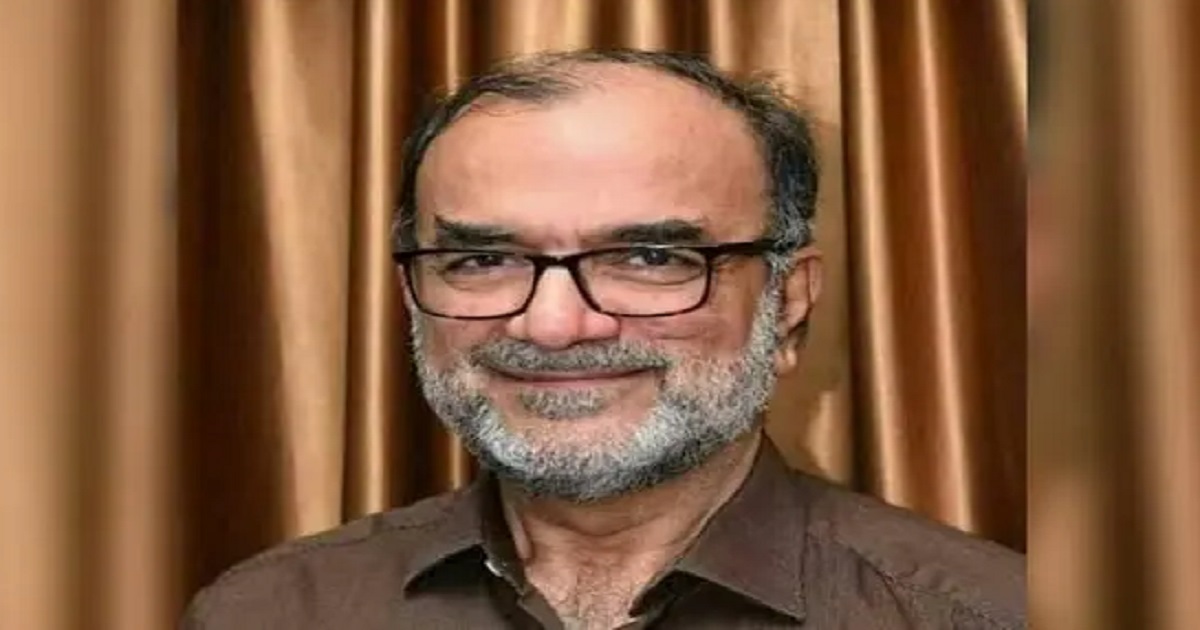
I have had the opportunity to know Adv. Bikash Ranjan Bhattacharyya not through legend, but through contact—and that makes all the difference. Some names echo in court corridors like ritual invocations. His does not echo; it commands. In the Calcutta High Court, where reputations are eroded faster than they are built, Bhattacharyya stands like a weathered pillar, marked by time, argument, and an unbending sense of rectitude. He is a Senior Advocate of the Supreme Court and the Calcutta High Court, shaped by decades of legal combat in some of India’s most scrutinised cases—cases that carry the smell of public betrayal and the weight of institutional rot.
Long before he became a national figure, he served as the Advocate General of Tripura during the Left Front government under Manik Sarkar, with whom he shared not just political proximity but a stark personal ethic. Sarkar was known for a life stripped of excess; Bhattacharyya mirrored that moral grammar in law. His career charts a curious refusal of comfort. He was once offered a judgeship at the Calcutta High Court—an apex of professional arrival for most advocates. He declined. In the Indian legal universe, such refusals are rare and costly. They reveal a temperament that will not trade freedom of voice for the silence of elevation.
His public life has been long and exposed. Mayor of Kolkata, Member of Parliament in the Rajya Sabha, and parliamentary leader of his party in the Upper House, he has occupied offices that tempt conformity. Yet it is not these positions that define him today. It is an act of renunciation that startled even a jaded political class.
Ahead of the West Bengal Assembly elections, Bikash Ranjan Bhattacharyya formally declined the pension due to him as a former Member of Parliament. He did not dramatise it. He simply stated that he did not wish to accept what the law allowed him to take. In a polity where entitlements are treated as trophies of survival, this was a quiet detonation. No former MP or MLA in living public memory has stepped away so deliberately from such a sanctioned benefit. This was not symbolic austerity; it was moral defiance without theatrics.
“Let the public know, I stand apart from the usual expectations.” The declaration, expressed more through action than rhetoric, unsettled a system accustomed to silent compliances. It reminded us that legality does not exhaust responsibility, and that authority does not automatically confer entitlement.
He is now the CPI(M) candidate for the Jadavpur Assembly constituency, a seat steeped in political memory and intellectual scrutiny. Jadavpur does not reward noise; it tests substance. Today, when I called him, I expected the breathless chaos of electioneering. Instead, he answered with calm courtesy and said he was in court. Even amid slogans and schedules, even when every hour could have been traded for votes, he chose the courtroom. In doing so, he reaffirmed a simple truth: public life does not cancel professional duty.
Court is where excuses fail. It is where preparation stands naked and integrity is cross-examined. To choose work over spectacle is to insist that public trust is not seasonal.
These Bikash Ranjan Bhattacharyyas are exceptions to the rule—not because they are infallible, but because they are consistent. In an age of loud convictions and soft sacrifices, he chose the harder posture: restraint, refusal, and relentless work. I offer him a red salute, aware of its symbolism and its limits. I say this without political leaning or partisan allegiance. Admiration for integrity need not kneel at the altar of ideology.
And this is the stronger truth that must be said plainly: when a system teaches citizens to expect decay, the presence of one man who refuses its comforts shakes the architecture of cynicism itself. Bikash Ranjan Bhattacharyya does not merely contest an election; he contests an idea—that power must be cushioned, that office must reward, that silence must follow advancement. By standing upright, he reminds us that dignity is still a choice. And when such choices are made from a full public view, they do not fade with campaigns or verdicts—they linger, like a question the nation can no longer evade.
(Tripurainfo)
more articles...