Ten Hidden Jewels of India's Republic Day Parade—A Tapestry Woven in Patriotism!!!
Biswanath Bhattacharya
January 25, 2026
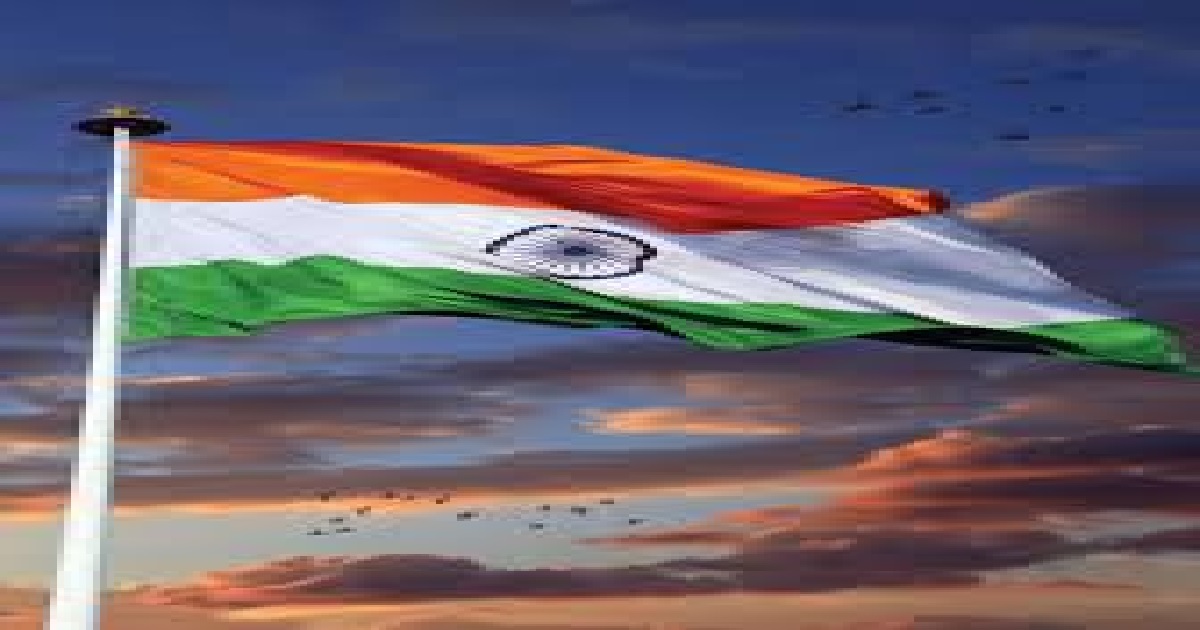
As dawn breaks on the 26th of January each year, India awakens with a collective heartbeat, echoing through the streets and hearts from Kashmir to Kanyakumari. The sky itself seems to don a tri-coloured shawl, gently unfurling above the capital, as the nation prepares to celebrate its Republic Day—a day not just of ceremony, but of remembrance and promise. This year, as India marks her 76th Republic Day, the celebrations at Rajpath become a living canvas, painted with stories old and new, known and unknown. Like rivers meeting at a confluence, each tradition and ritual gathers meaning, enriching the stream of our shared destiny.
Republic Day commemorates the moment when the Constitution of India came alive, on 26/01/1950, replacing the colonial past with the sovereignty of the people. The parade, vibrant as a tapestry woven by many hands, is often seen as the pride of the day, yet beneath its grandeur lie pearls of history and symbolism that many overlook. Few know, for instance, that the first Republic Day parade was a modest affair, absent the spectacular floats and resplendent military regiments we see today. In its infancy, the celebration was more like a sapling, quietly rooted in the idea of unity and democracy, awaiting the nurturing touch of time.
The parade’s iconic venue, Rajpath, itself whispers of transformation; it was once known as Kingsway, a name reflecting the colonial shadow. When India became a Republic, this avenue was rechristened, a symbolic shedding of old skin, much like a snake casting off to reveal fresh scales. Even the parade’s timing bears significance, beginning precisely at 9 a.m.—a ritual that resonates with discipline, much like the rhythm of a tabla guiding a classical raga. The president’s arrival in the historic presidential limousine is not just a spectacle, but a reminder of the office’s unique place in the world’s largest democracy.
The tableau section, where states display their culture, is akin to a patchwork quilt, stitched from the colours, dances, and dreams of every region. However, beyond the famous floats are lesser-known facts—the selection of tableaux is fiercely competitive, with only a fraction of the applications making it to Rajpath each year. This curation ensures that the parade is not just a display, but an evolving storybook, with each float a chapter from India’s endless narrative.
Among the parade’s participants is a silent hero: the Camels of the Border Security Force. Their majestic stride, almost poetic in its grace, is unique to India’s parade tradition, a metaphor for resilience across the sand-swept borders. The parade also features a daredevil motorcycle squad, the only one of its kind to have set global records for human pyramids on moving bikes—an act that blends courage and choreography into a dazzling spectacle. The presence of schoolchildren, whose coordinated performances splash Rajpath with youthful exuberance, is a hopeful reminder that the torch of freedom passes from hand to hand, generation to generation.
The Air Force flypast, marking the parade’s crescendo, is not merely a technical display. It is the flight of dreams, the roar above Rajpath resembling the thunderous applause of a billion souls. Less known is the meticulous rehearsal behind this aerial ballet—pilots practice for weeks, mapping the sky as if painting invisible trails for the nation to follow. Even the music, played by military bands, is carefully chosen; “Saare Jahan Se Achha” is always part of the repertoire, its melody wrapping the crowd in a warm embrace, much like a mother’s lullaby at the end of a long day.
Another hidden jewel is the chief guest tradition. Each year, a foreign dignitary is invited, symbolising India’s respect for global harmony. The selection of the chief guest is often strategic, reflecting diplomatic priorities, and their presence at Rajpath is a handshake between nations, woven silently into the fabric of the parade. Not all know that the parade is broadcast live in high-definition to remote corners of the nation, ensuring that even those in the quietest hamlets can be part of the celebration, as though technology stretches a single thread from Delhi to every home.
Security, too, plays a vigilant part, usually unseen but ever-present. The entire parade route becomes a fortress, guarded by advanced systems and dedicated personnel, ensuring that every moment unfolds in safety and dignity. Yet, despite such vigilance, the atmosphere is always jubilant, as if the parade itself is a festival of hope, outshining even the most watchful eyes.
In the end, India’s Republic Day parade is more than a spectacle—it is a living poem, recited by millions in streets, homes, and hearts. The beating of drums and marching of boots merge like verses, filling the air with pride and gratitude. As the tricolour flutters in the winter breeze, it becomes a beacon, guiding the nation forward, reminding all that beneath the dazzling surface lie countless stories—some whispered, some sung, all cherished. The 76th Republic Day is thus not just a commemoration, but a celebration of India’s soul—layered, resilient, and forever luminous.
(Tripurainfo)
more articles...