When Sweetness Warms Winter: The Eternal Embrace of Bengal’s Poush Parbon!!!
Biswanath Bhattacharya
January 14, 2026
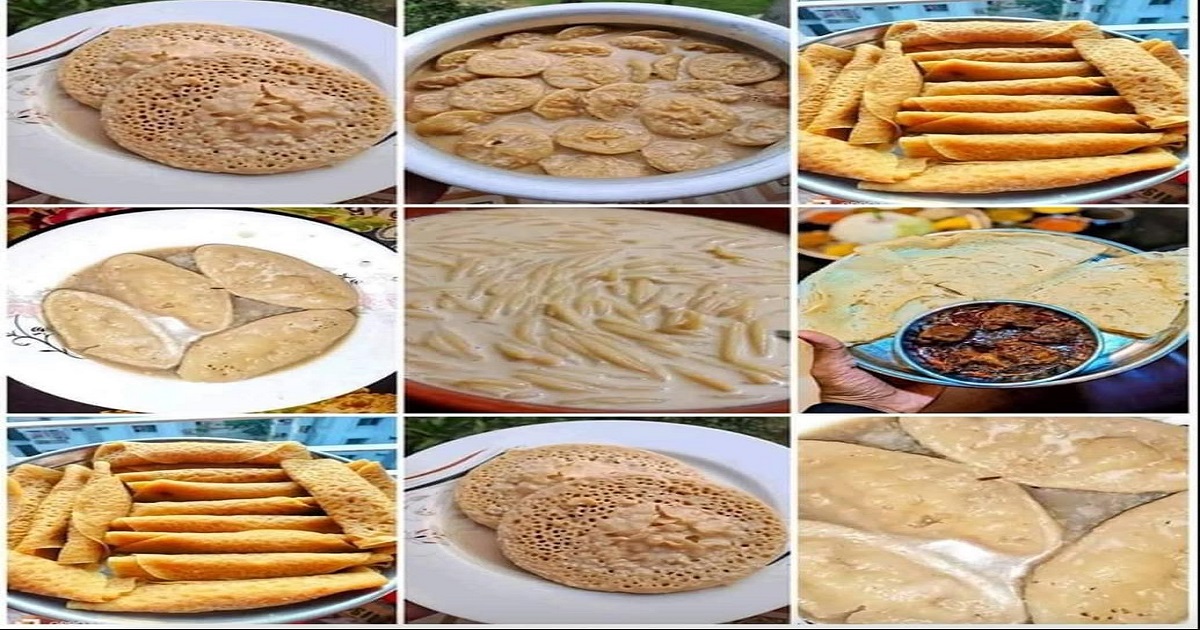
Winter in Bengal sweeps in not as a silent guest, but as an artist painting the land with soft mists and the golden blush of the setting sun. The month of Poush is woven into the very fabric of Bengal, its arrival carried on the breeze scented with earthen chill and the syrupy promise of khejurer gur—date palm jaggery—trickling like amber from clay pots. This is not merely a time of changing temperatures, but a season where the world seems to hold its breath, and every heart beats to the ancient rhythm of gratitude and abundance.
The landscape transforms, fields stripped bare after the harvest gleam like mirrors to the sky, and granaries, swollen and satisfied, stand as silent sentinels of plenty. In the heart of every village and city alike, Poush Parbon rises—not as a single festival, but as an unfolding tapestry of rituals and remembrance, threading Nabanna’s offering of new rice through to the final sweetness of Sankranti. There is a gentle hush in the air, as if even the bustling world bows before the quiet miracle of harvest. For centuries, this has been the hinge between toil and celebration, a liminal time when families gather, hands clasped in thanks to the gods and to the soil that cradled their fortune.
Before dawn, kitchens flicker to life, glowing like miniature suns in the blue-grey morning. The matriarchs—mothers, grandmothers, keepers of memory—move in shawled silence, their presence both fierce and tender as the winter air they breathe. The music of Poush is unmistakable: the steady percussion of the dhenki thumping rice, the low song of milk simmering, the gentle scrape of coconut, the intoxicating perfume of jaggery melting into nectar. Even as modernity muffles these sounds, the essence lingers—like the refrain of an old song, humming beneath the surface of daily life.
From this choreography of ingredients, pithe emerges—a constellation of sweets, each a testament to ancestral skill and artistry. Bhapa pithe, cloud-soft and delicate, hides within its steamed embrace the molten heart of coconut and jaggery, dissolving in the mouth like the first rays of sunlight on winter frost. Patisapta, the season’s undisputed darling, whispers on the pan before enfolding a filling rich as childhood memory. Dudh puli floats in creamy milk, crescent-shaped as new moons gliding across a silent sky; pakan pithe, crisp and lacquered with sweetness, shatters like caramel thunder. Nakshi pithe, sculpted and gilded by hands that remember centuries-old motifs, gleams golden—a jewel shaped by love and patience.
These recipes are more than edible delights; they are vessels of memory, heirlooms passed from hand to hand, generation to generation. In every bite, laughter echoes—the laughter of cousins gathered near the fire, the whispered stories that rise with the steam from simmering milk. Through pithe, the warmth of those long gone returns, and the spirit of a Bengal that refuses to be forgotten lingers on the tongue.
Yet, as the world spins and old ways grow faint, the winter kitchen has changed. The communal hearth is less crowded, the guiding hands fewer. Now, many seek the comfort of sweet shops, where pithe and patisapta wait behind glass, their warmth traded for convenience. The tradition may flicker, but it does not dim; it glows in quieter corners—within a mother showing her child the magic of folding a crepe, at community gatherings where women shape sweets in laughter and camaraderie, in the pride of a sweet-maker who still rises before dawn to stir nolen gur to perfection. Across Bengal, from the misty plains of the east to the urban sprawl of the west, the festival continues to bind families together, the air thick with the scent of rice and jaggery, a living link between past and present.
Poush Parbon survives because it is more than a festival; it is the earth’s generosity transformed into edible gratitude, a reminder that even when the world lies cold and bare, warmth can be summoned by loving hands. As Poush Sankranti dawns anew, may your home be lit by that gentle winter glow, your kitchen redolent with the fragrance of tradition, your heart and plate alike brimming with sweetness that endures far beyond the season’s end. For in Bengal, as long as pithe is shaped and shared, winter itself is cradled in the arms of memory, sweetened against the chill.
(Tripurainfo)
more articles...